
Perspective and the Way We See the World
Have you ever had a conversation where you were sure you were right—only to discover the other person was just as convinced they were right too?
That’s where perspective comes in. In therapy we sometimes draw on phenomenology—a big word for a simple truth: our world is shaped by how we experience it. Through our senses, our histories, our values, we each build a lens that feels like reality. But no two lenses are identical.
Have you ever had a conversation where you were sure you were right—only to discover the other person was just as convinced they were right too?
That’s where perspective comes in. In therapy we sometimes draw on phenomenology—a big word for a simple truth: our world is shaped by how we experience it. Through our senses, our histories, our values, we each build a lens that feels like reality. But no two lenses are identical.
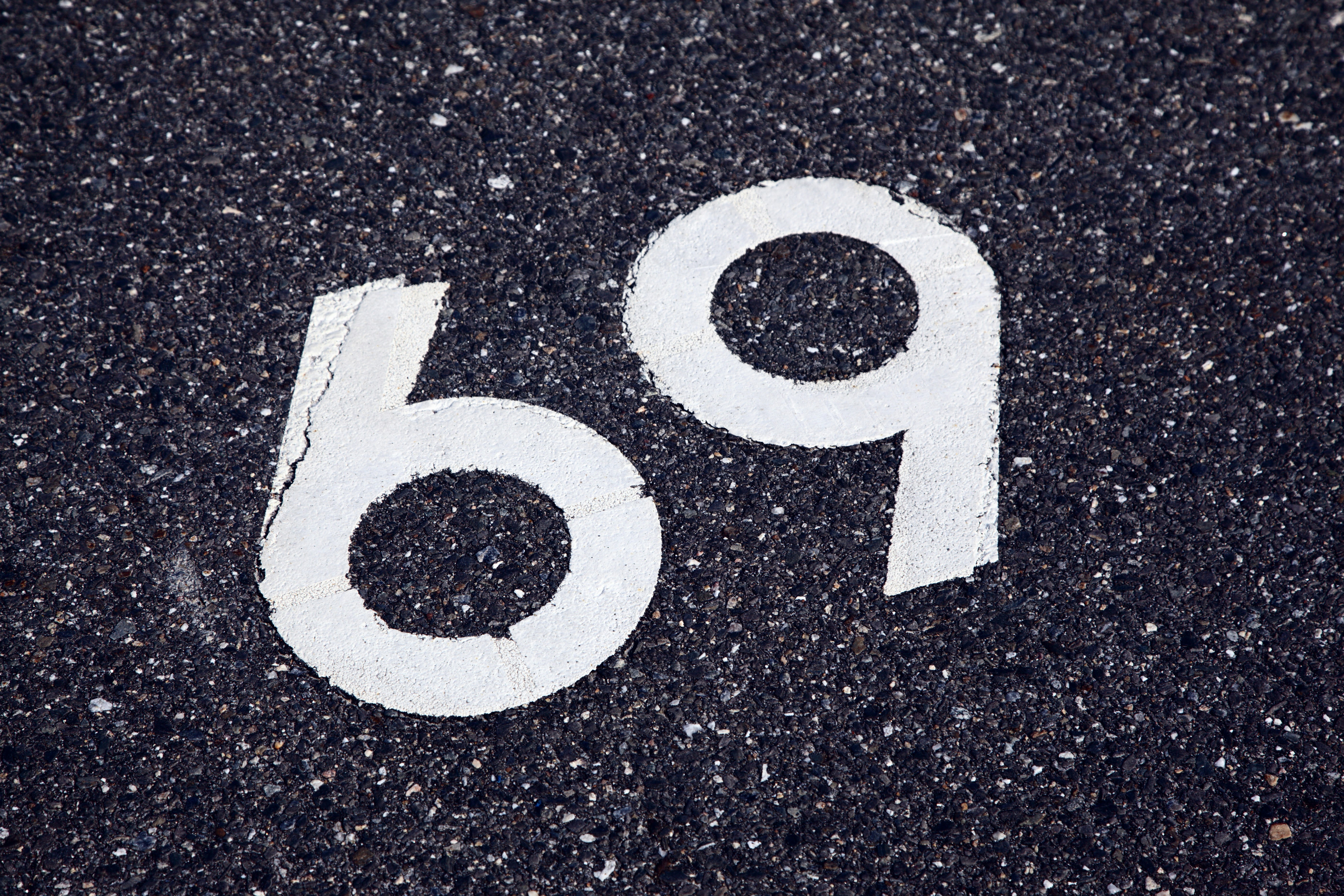
The 6 or the 9?
A classic example: one person sees a number on the ground and says it’s a six. Another insists it’s a nine. Who’s right? Both are—depending on where they stand. Perspective makes the same shape look completely different.
💬 Have you ever had one of those “six or nine” moments in your own life? What shifted when you realised the other perspective?
Marmite, Wine, and Olives
Taste is another easy way to see this in action. For some, Marmite is heaven on toast; for others, the smell alone is unbearable.
Or I was used to drinking the sweet wines that were everywhere in the 90s, and found most whites too sharp — but that same journey eventually opened the door to enjoying rosé and olives. For someone else, olives are a delicacy. For another, they’ll never get past the first bite. None of these views are wrong — they’re simply different experiences shaping what feels true.
When Perspectives Clash
In daily life, these differences can feel less light-hearted. A tone of voice might be read as criticism by one person, while another hears it as concern. A memory might feel crystal clear to you but look completely different to someone else who was there. It’s easy for tension to grow when we assume our perspective is the only truth.
The Role of Therapy
Therapy isn’t about deciding who’s right or wrong. It’s about slowing down enough to notice how we’re each seeing things. Sometimes that means understanding why something feels so raw to us; sometimes it’s about being curious about how someone else experienced the same moment differently.
When we shift from conflict to curiosity, space opens up. Space for relationships to breathe. Space for us to hold our own truth gently, without assuming it has to cancel out someone else’s.