
A Bad Day Isn’t a Bad Life: Finding Perspective in Difficult Moments
Perspective Shift
We all have days that feel heavy — the kind where nothing seems to go right and even small setbacks seem overwhelming. In those moments, it’s easy to believe the whole story of our lives is defined by that single chapter.
A bad day is just that — one day. It isn’t the whole picture, and it doesn’t erase the moments of strength, joy, or progress that came before or the ones still to come.
At a glance
- Bad days don’t define your whole life — they’re temporary, not permanent.
- Perspective matters: noticing the wider context helps soften today’s pain.
- Self-compassion allows you to weather dips without self-judgement.
- Supportive practices like rest, reflection, or reaching out can reset your footing.
Why a Bad Day Feels Bigger
When we’re stressed, anxious, or carrying grief, our minds often magnify the negative. A single difficult moment can feel like it colours everything. The brain is wired to scan for threat, so bad experiences take up more mental space than good ones.
A bad day is a dot, not the whole canvas.
All to often, we get caught up in the emotional energy and we allow it to cloud our perspective, but is it just a temporary blip? Also, little blips give context and appreciation for the non blip days.
The Space Lens: Zooming Out
Sometimes to help with the idea of perspective you might think about this.

Look down at your feet
IN that moment, let them fill you vision, see how big the feel.

Step into a helicopter
Now look back down to where your feet were, cab you see the whole street around them. They’re a much smaller part of the view.

Zoom out to space
Now imagining looking down from that perspective, you can’t see yourself, or the helicopter, but you know you’re there, and part of something vast.
The problem hasn’t disappeared, but its scale has shifted. This is what happens when we zoom out on a bad day. It’s still real, but it isn’t the whole of who we are.
The Time Lens: Asking How Long
Pain feels endless in the moment, but it rarely stays that way. Our brains often replay painful events long after they’ve passed, holding us in the echo. A useful question is:
- Will this matter in an hour?
- Will it matter tomorrow?
- Next week?
- Next year?
- In 10 years?
Often, the replay lasts longer than the event itself. Naming that can ease the grip.
Sometimes the hardest part isn’t the pain itself — it’s the echo it leaves behind.
Think about an injection, it’s just a quick prick, but the thoughts we associate with it can make it so much harder, and makes it feel really painful.
Grounding in the Bigger Picture: The Gate Exercise
Ways to hold perspective when you’re stuck in the “bad day” dot:
- Name what’s temporary. Remind yourself: This is today, not forever.
- Anchor to constants. Notice what hasn’t changed — your values, your relationships, your strengths.
- Zoom out gently. Use space and time: how big is this really, and how long will it last?
Here’s a little exercise for you to try…
Have a look at the picture below, what do you see or what do you believe. A gate, a barrier, a blockage, something you can’t move through?
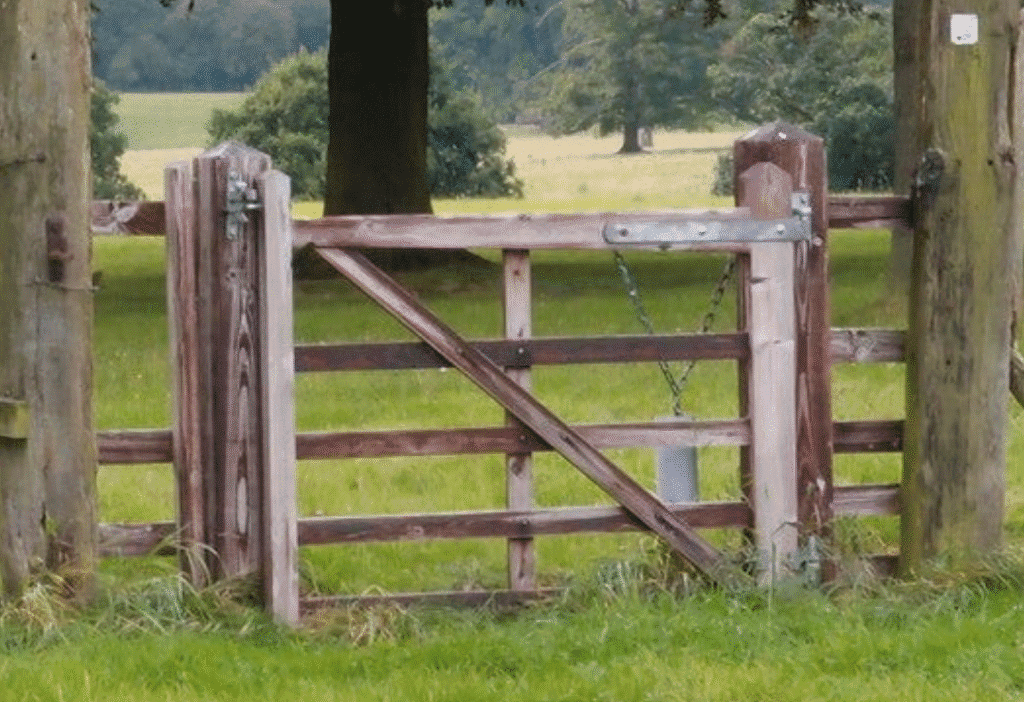
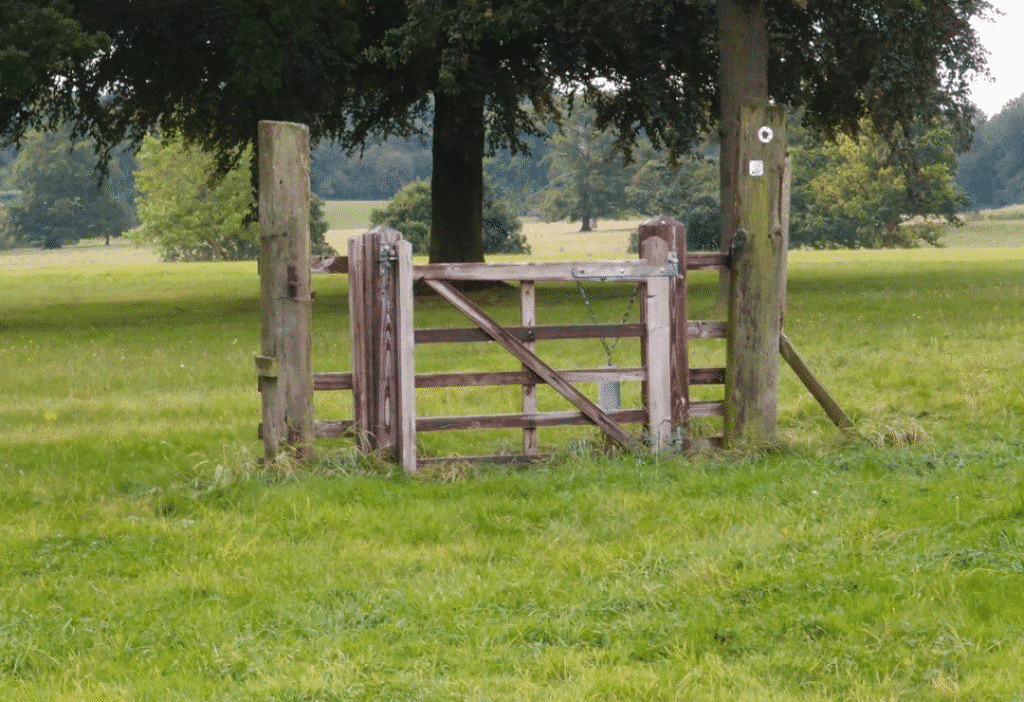
Now have a look again at the picture below; it’s a little bit zoomed out – can you see there’s no fence or anything beisde the gate – so you could just walk around it.
Therapy as a Place to Zoom Out
When life feels overwhelming, therapy can be a space to zoom out together. Sometimes it’s hard to shift perspective on our own. Having someone alongside you — not to dismiss the red dot, but to remind you of the whole square — can make the weight easier to carry.
A bad day can feel enormous. But when we step back — in space and in time — we see it for what it is: one part of a much larger life.