
Ageing isn’t only physical
Living in a Changing Body
The body changes whether we agree to it or not. Muscles soften. Joints complain. The nervous system becomes more sensitive or more easily overwhelmed. Sleep shifts. Energy isn’t a renewable resource in the way it once was. The body becomes a record of lived years — not just in appearance, but in capability and pace.
Getting older often means encountering limits more directly. That doesn’t mean giving up. It means living differently. The real work is not fighting the body, but learning how to listen to it — without resentment, and without the endless pressure to “keep up.”
The narrative that ageing is something to resist or delay is a cultural story, not a biological truth. Your body is not failing. It is changing.
At a glance
- Ageing affects the body, emotions, identity, relationships, and the way the world responds to us — not just physical change.
- Slowing down isn’t failure — it’s the nervous system adapting. The work is learning how to live with your body, not against it.
- Changes in memory, energy, or focus aren’t signs of losing yourself — they’re shifts in how the brain prioritises what matters.
- Society often treats ageing as decline. The difficulty is usually the meaning placed on the change, not the change itself.
- Therapy offers space to explore identity, grief, purpose, and connection as life evolves — without pressure to “stay the same.”
The Brain Changes Too
Memory becomes less about perfect recall and more about patterns, meaning and emotional significance. Focus may take more effort. Multitasking becomes exhausting instead of energising. Processing speed slows, while depth often increases.
This isn’t decline in the moral sense. It’s reorganisation. The brain becomes more selective about what is worth holding. It filters for what matters.
There can be frustration here — especially if you’ve spent your life being competent, sharp, reliable, responsible, or the person others turn to. Losing ease can feel like losing part of yourself. But the change isn’t about intelligence disappearing. It’s about the brain shifting from accumulation to integration.
Chemistry and Mood
Hormones change. Neurochemistry changes. Stress tolerances shift. Loneliness, grief and isolation can hit harder because the body has less capacity to buffer them. Joy changes shape too — it may become quieter, slower, less adrenaline-driven.
None of this is a personal failing. It’s biology moving through its phases. The challenge is often not the change itself, but the meaning that society attaches to it: slower becomes “less valuable,” ageing becomes “decline,” rest becomes “giving up.”
Those meanings hurt more than the changes themselves.
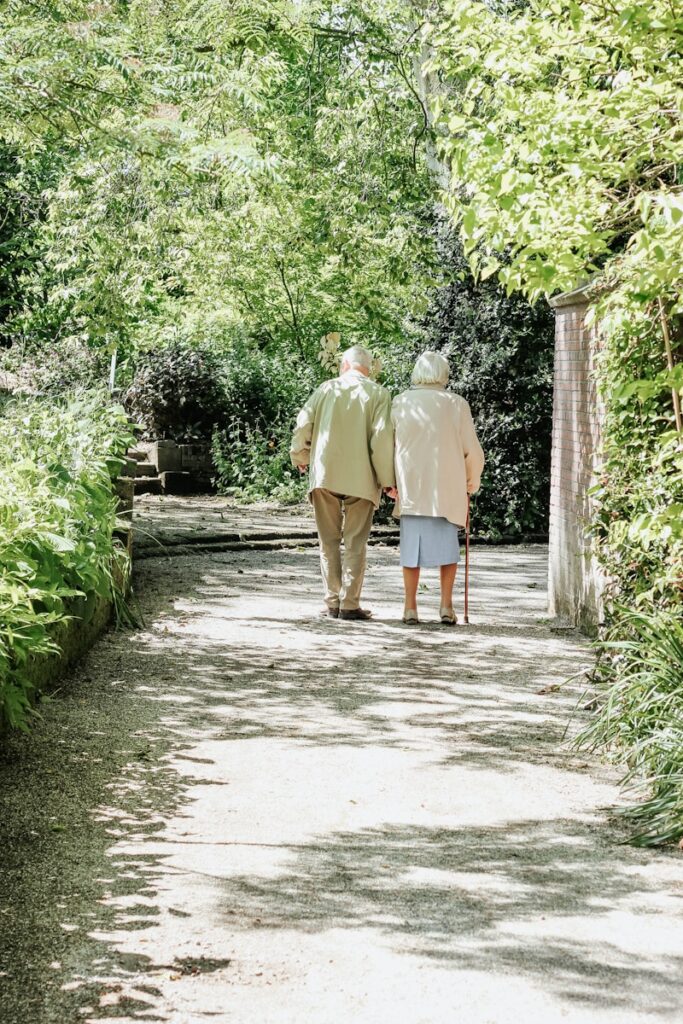
How Society Responds — and Why It Matters
Ageing changes not just how we feel, but how others treat us.
Visibility shifts. Relevance shifts. Sometimes we feel looked past — as though the world is designed to move around us rather than with us.
Western culture is deeply uncomfortable with decline, slowness, and interdependence. It worships productivity, novelty, youth and acceleration. This means that ageing isn’t just a physical process — it’s something we’re made to navigate against the grain. Many people feel the pressure to appear “unchanged” well into the years where change is inevitable.
This pressure creates shame where there should be acceptance. It isolates people who would otherwise feel connected. The problem is not ageing. The problem is how society speaks about it.
Identity, Role and Purpose
Getting older often means the roles that defined us shift or disappear. Careers end or change. Family structures alter. Children grow, move, or become independent. Friendships can thin out, especially when health, mobility or location become barriers. The sense of who I am may feel less obvious.
This can feel like loss. Not because life is over, but because it is changing shape.
The work here is to explore identity that isn’t based on output, usefulness or constant motion. Identity built from values, connection, experience, humour, curiosity, gentleness, steadiness — whatever feels real to you.
Ageing isn’t the shrinking of identity. It’s the re-rooting of it.
Grief Is Part of This
Grief is often treated as something that belongs to a single event — a death, a breakup, a sudden change. But ageing involves ongoing grief:
- Grief for the body we once lived in.
- Grief for choices we didn’t take.
- Grief for opportunities that no longer exist.
- Grief for versions of ourselves that have already passed.
This isn’t self-pity. It is love for who we have been. Therapy doesn’t try to tidy grief away. It makes room for it, until it softens, and becomes something that can be carried rather than avoided.
Connection Is What Makes Ageing Livable
The opposite of ageing well isn’t decline. It’s isolation. People don’t suffer because they grow older — they suffer because they lose connection to others, to meaning, to purpose, to being seen.
Connection may look different now. Slower. More intentional. Sometimes smaller. But it can still be rich, intimate, creative, funny, deep, and nourishing. The aim is not to recreate what was. The aim is to make room for what fits now.
Therapy’s Role
Therapy is not about fighting nature or pretending nothing has changed. It’s about supporting you to:
- understand how ageing is impacting your emotional and relational world,
- speak about what feels painful, unfair, frightening or disorienting,
- grieve without apology,
- and explore how to live well inside the life you actually have now, not the life you think you should still be able to maintain.
Ageing is not something to survive. It’s something to live. And you do not have to make sense of it alone.