
We’re all unique like bottles on a shelf
Bottles on a shelf – all different
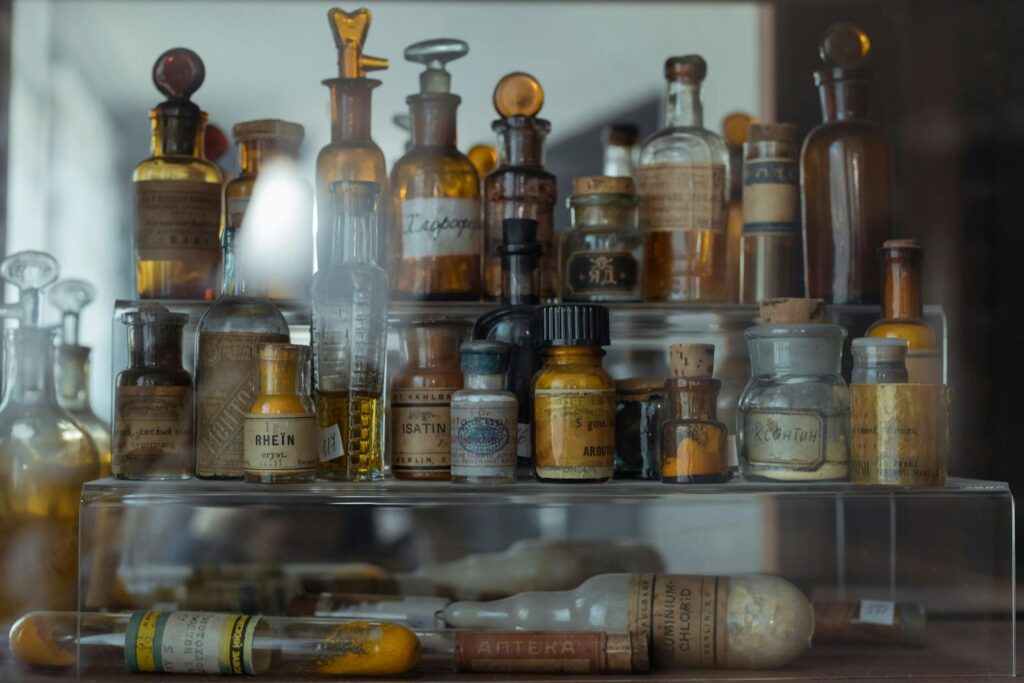
Imagine a row of bottles on a shelf. Some are clear, some coloured. Some tall and slim, others short and wide.
Each holds liquid differently — some steady, some wobbly, some with tiny cracks that catch the light.
Now imagine each bottle slowly filling. Drop by drop, day by day. That water is everything we carry: work, family, finances, health, loss, expectation, world events, the quiet hum of daily life.
None of it bad on its own. But together, it adds up.
And when the level creeps too high, the view through the glass starts to distort.
At a glance
- We all have different emotional capacities — the “bottle” is a metaphor for how much pressure we can hold before needing release.
- Stress builds in layers; therapy helps people notice and regulate those layers before they overflow.
- Recognising limits isn’t weakness — it’s awareness, and it’s what allows recovery instead of collapse.
- Supporting someone whose “bottle” is full doesn’t mean fixing them; it means helping them pause safely.
- Care doesn’t just mean giving — it includes caring for the carers themselves, whose own bottles often go unseen.
The Bottle as a Mirror
The bottle is you — your nervous system, your body, your capacity. How much pressure it can hold depends on shape, strength, history, and care.
Some bottles were made under heat — trauma, hardship, chronic stress. They’re strong, but the glass is thin in places. Others have wider bases — more support, more resources, more room to breathe.
None is better or worse. They’re just different vessels, each doing its best to contain what life pours in.
Cracks and Colour
The liquid in the bottle isn’t always clear. Past experiences, mental health conditions, or medication can tint how you see the world — darker, foggier, heavier.
Cracks might mark where the glass has been stressed before: childhood trauma, discrimination, poverty, grief. They don’t make you broken; they make you human. But they do mean you may need gentler handling — slower filling, regular emptying, stronger shelves beneath.
How Bottles Fill
Stress doesn’t usually arrive all at once. It builds in layers:
- Drips: everyday tasks, emails, errands, noise.
- Streams: ongoing strain — caring for others, unstable work, health concerns.
- Floods: sudden change — bereavement, breakup, illness, trauma, crisis.
Individually, each might be manageable. Together, they can fill you faster than you realise. And when the bottle’s already half full, even small drops make ripples.
What Happens When It’s Full
When pressure hits the top, the world starts to blur. You might notice:
- Snapping at small things.
- Forgetting simple tasks.
- Feeling numb, detached, or restless.
- A tight chest, heavy limbs, constant fatigue.
- Thoughts that spiral toward hopelessness or escape.
It’s not weakness — it’s physics. Every bottle has a capacity. Once full, the system looks for release.
Sometimes that release is tears or talking. Sometimes it’s anger, withdrawal, or shutdown. And yes, for some, when all else fails, thoughts of ending it appear. Not because they want to die, but because they want the pressure to stop.
Pressure isn’t proof of strength — it’s a signal. The goal isn’t to hold more, it’s to know when to let go.
Imagine dropping a mint into a Coke bottle and sealing it. The pressure builds until it bursts — the bottle destroyed. But let it fizz and spill freely, and it dries out safely, bottle intact.
Emptying the Bottle (Before It Spills)
Relief doesn’t come from smashing the bottle — it comes from releasing the pressure safely.
Small valves make a big difference:
- Talking — sharing with a friend, therapist, helpline, journal.
- Movement — walking, stretching, shaking out tension.
- Boundaries — saying “not today” without guilt.
- Rest — real rest, not doom-scrolling.
- Care — asking for help before crisis.
None of these empties it completely. But they stop the level from silently rising to the brim.
Noticing the Signs Early
Your body usually warns you before it spills:
- Headaches, stomach pain, tight jaw.
- Difficulty concentrating or sleeping.
- Irritability or tearfulness without clear cause.
- Feeling disconnected from things you normally enjoy.
These are early indicators that the bottle’s getting heavy. Listening to them is prevention, not weakness.
How Therapy Helps
Therapy doesn’t empty your bottle for you. It helps you understand what’s inside it — where the leaks are, what colours the water, which drops are yours to carry and which aren’t.
It offers a steady shelf: a consistent space where pressure can release without judgment. Sometimes it’s through words. Sometimes through silence. Always through containment.
Over time, therapy helps you build your own valves — ways to regulate, express, and rest that feel authentic to you.
Supporting Others Whose Bottles Are Full
When you notice someone else’s bottle brimming:
- Ask gently. “You seem under pressure — how are you coping?”
- Listen. Don’t rush to fix or compare.
- Name help. Mention helplines, GP, or therapy, if appropriate.
- Stay present. Check back in; don’t assume they’ll reach out.
Empathy lightens load. You don’t have to carry their bottle — just help them steady it for a while.
When It’s Overflowing
If the pressure feels unbearable — if you’re thinking about ending your life, or can’t keep yourself safe — please reach out now, not later.
In the UK, you can:
- Call 999 or go to A&E in an emergency.
- Contact Samaritans on 116 123 (24 hours).
- Text SHOUT to 85258 for free, confidential support.
You do not have to hold this alone. Help is immediate, and it’s human.
Caring for the Carers
Many people’s bottles are heavy not because of what they carry for themselves, but what they carry for others. Parenting, caring, supporting — it’s easy to normalise. But emotional labour is still labour.
If you’re the one everyone leans on, you deserve somewhere to lean too. Your capacity matters. Your bottle counts.
Capacity Isn’t Character
Having limits doesn’t mean you’re fragile. It means you’re alive.
The goal isn’t to become unbreakable; it’s to notice the fill line before it spills, to learn how to pour some out, and to accept that maintenance is part of being human. Always remember:
- So check your level.
- Notice the colour.
- And if the water’s high, do something gentle about it today — before you mistake pressure for failure.
Because caring for your bottle isn’t selfish. It’s survival.